
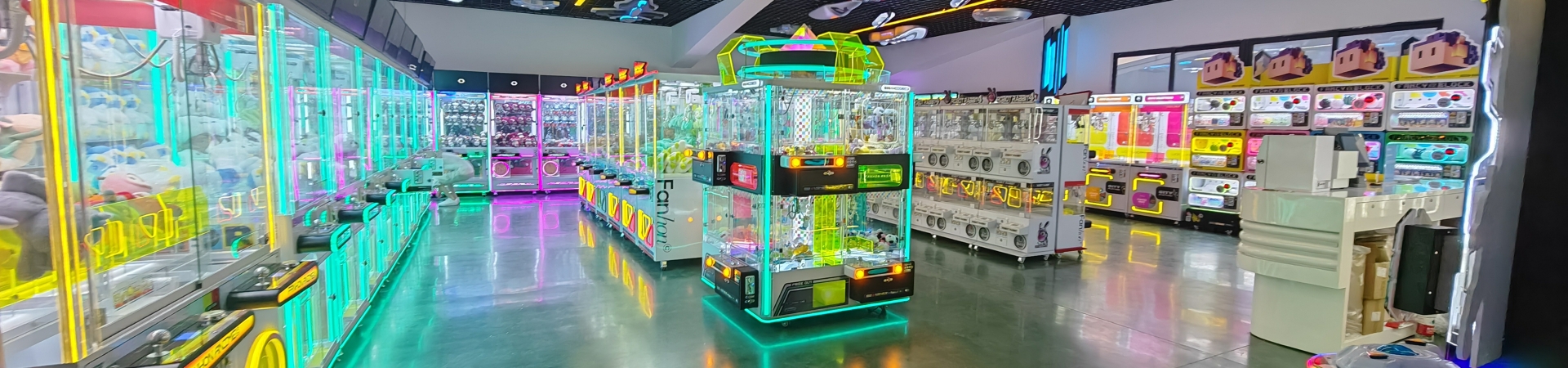
Overview
Operating a commercial claw machine involves several recurring cost categories that vary significantly depending on location, machine type, and local market conditions. Understanding the full monthly cost picture is essential for any operator evaluating whether a single unit or a fleet of machines can generate sustainable profit. Based on available industry data through early 2025 and projected trends into 2026, a single commercial claw machine typically costs between $300 and $1,200 per month to operate, with the largest variables being rent/placement fees and prize restocking.
Electricity Costs
A standard commercial claw machine draws between 150 and 400 watts during active play, with idle power consumption ranging from 50 to 100 watts when LED lighting and standby electronics remain on. Based on the U.S. Energy Information Administration's average commercial electricity rate of approximately $0.1284 per kWh as of late 2024, a machine running 12–16 hours per day in a high-traffic venue can be expected to consume roughly 60–130 kWh per month. This translates to an electricity cost of approximately $8–$17 per month per machine. In regions with higher electricity costs—such as California, where commercial rates exceeded $0.22/kWh in 2024—monthly electricity costs may reach $20–$30. In most operational budgets, electricity represents the smallest fixed cost category.
Location Rent or Revenue-Share Fees
The single largest variable expense is typically the placement fee or revenue-share agreement with the venue hosting the machine. There are two dominant models. In a flat-rate rental model, operators pay a fixed monthly fee—commonly $200–$600 in U.S. malls, supermarkets, and entertainment venues—regardless of revenue. In a revenue-share model, the venue takes a percentage of gross collections, typically ranging from 20% to 50%, with 25%–35% being the most common range reported by operators in forums such as Arcade Heroes and the AMOA (Amusement and Music Operators Association) community discussions. In premium locations like Tier 1 shopping malls in major metro areas, monthly placement costs can exceed $800. In lower-traffic venues such as laundromats, family restaurants, or small retail stores, flat fees may be as low as $100–$150, or revenue shares as low as 15%–20%.
Prize and Inventory Costs
Prize restocking is the second-largest recurring cost. The cost per prize depends heavily on the operator's sourcing strategy. Operators purchasing licensed plush toys or branded merchandise from domestic distributors typically pay $1.50–$5.00 per item. Those importing directly from manufacturers in China through platforms like Alibaba or 1688.com can source plush items for $0.30–$1.50 per unit, though this requires larger minimum order quantities (usually 200–500 pieces per SKU) and accounts for shipping and customs duties. A machine in a moderately trafficked location may dispense 80–200 prizes per month. This puts monthly prize costs in the range of $50–$400, depending on prize quality and sourcing efficiency. Operators who use a mix of high-value "hero prizes" and lower-cost filler items can optimize this cost while maintaining player engagement.
Maintenance and Repair
Routine maintenance costs—including claw calibration, joystick replacement, coin mechanism servicing, bill acceptor cleaning, and occasional motherboard repairs—average $20–$60 per machine per month when amortized over a year. Machines in high-use environments may require more frequent attention. Common replacement parts such as claw assemblies ($15–$40), coin acceptors ($25–$80), and control boards ($50–$150) should be budgeted for. Many experienced operators set aside approximately 5%–8% of gross revenue for maintenance reserves.
Payment Processing Fees
As cashless payment adoption increases, many modern claw machines now accept credit/debit cards, mobile payments, or proprietary card/token systems. Card reader hardware from providers like Nayax, USA Technologies (now Cantaloupe), or Embed costs $200–$500 upfront, with monthly service fees of $10–$30 and per-transaction processing fees of 5%–10% of the transaction value. While cashless capability can increase revenue by 15%–30% according to Nayax's published case studies, the processing fees should be factored into monthly operating costs.
Insurance and Licensing
Commercial liability insurance for amusement equipment operators typically runs $30–$75 per month per location (not per machine), depending on the number of machines and coverage limits. Business licensing and amusement device permits vary by municipality but generally cost $50–$300 annually per machine, translating to roughly $4–$25 per month.
Summary Cost Table (Single Machine, U.S. Average)
Taking a mid-range scenario—one machine in a moderate-traffic mall location—the monthly operating cost breakdown typically looks like this: electricity at $10–$15, location fee at $250–$500, prizes at $100–$250, maintenance reserve at $25–$50, payment processing at $15–$30, and insurance/licensing at $10–$25, for a total of approximately $410–$870 per month.
Frequently Asked Questions
How much revenue does a claw machine generate per month? Revenue varies enormously by location and foot traffic. Industry surveys and operator reports suggest that a well-placed machine in a busy mall or family entertainment center generates $400–$2,000 per month in gross revenue. Machines in lower-traffic locations may generate $150–$400. The AMOA's periodic industry surveys and IBISWorld's Amusement Machine Operators report (NAICS 71312) both confirm wide revenue variance based on placement.
Can I reduce prize costs without hurting revenue? Yes. Many operators use a tiered prize strategy where 70%–80% of prizes are lower-cost items ($0.50–$1.50) with a smaller selection of aspirational "hero" prizes ($3–$8) visible in the machine. Adjusting claw strength and win rates to maintain a target prize-cost-to-revenue ratio of 20%–35% is standard practice.
Is it cheaper to run coin-only machines versus cashless? Coin-only machines eliminate monthly processing fees but may reduce total plays in environments where customers carry less cash. The decision depends on location demographics. According to a 2023 Cantaloupe, Inc. report, cashless-enabled machines saw an average revenue increase of 22% compared to cash-only equivalents across vending and amusement applications.
References
U.S. Energy Information Administration. "Average Retail Price of Electricity – Commercial." Accessed 2025. https://www.eia.gov/electricity/monthly/
IBISWorld. "Amusement Machine Operators in the US – Industry Report 71312." Updated 2024.
Nayax Ltd. "Cashless Payment Solutions – Case Studies." https://www.nayax.com/
Cantaloupe, Inc. (formerly USA Technologies). "2023 Micropayment Trends Report." https://www.cantaloupe.com/
AMOA (Amusement and Music Operators Association). Industry operator forums and survey data.