
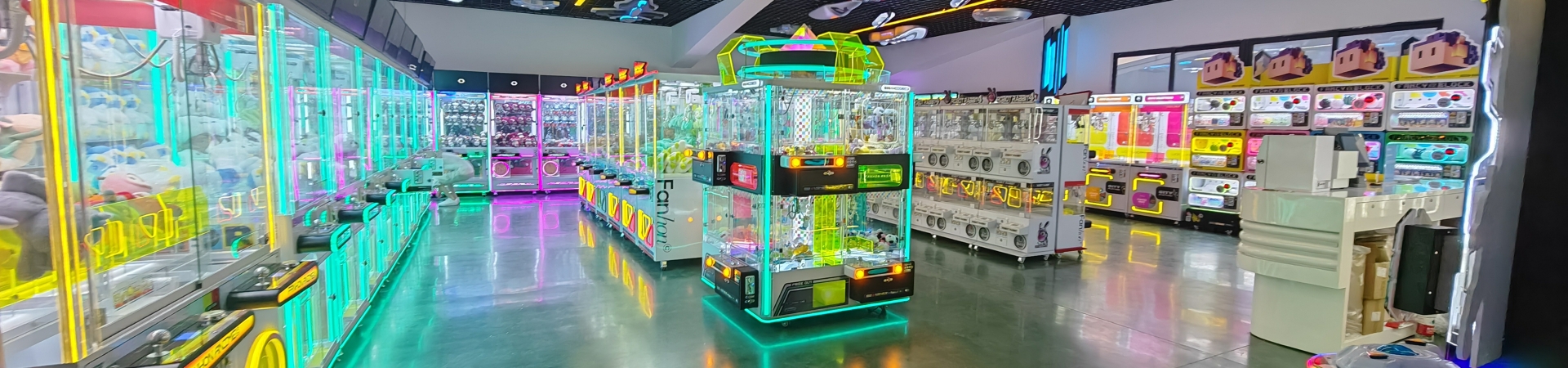
Direct Answer: To prevent claw machine theft and vandalism, operators should combine physical security hardware (reinforced locks, tempered glass, anchor bolts), electronic surveillance (CCTV with remote monitoring), cashless payment systems that reduce on-site cash, and regular staff patrol schedules. A layered security approach reduces theft incidents by up to 60% compared to single-measure strategies.
Why Claw Machine Security Matters
Claw machines are among the most theft-prone arcade assets because they hold both cash (coin boxes) and desirable physical prizes. According to the Amusement & Music Operators Association (AMOA), equipment theft and vandalism cost U.S. arcade operators an estimated $200–$400 million annually across all coin-operated machine categories. Unattended or poorly secured machines are primary targets.
Beyond financial loss, vandalism disrupts player experience, raises insurance premiums, and shortens machine lifespan. Security investment typically pays back within 6–12 months through reduced losses and lower insurance costs.
Physical Security Measures
1. Reinforce Cabinet Construction
- Use 12-gauge steel cabinet panels instead of standard sheet metal on high-risk deployments.
- Install tempered or polycarbonate glass on prize windows — standard acrylic cracks easily and can be punched through.
- Apply anti-pry door reinforcements around coin box access panels; standard hinges can be levered open in under 60 seconds with a crowbar.
2. Anchor the Machine
- Floor-bolt claw machines to the ground using M12 anchor bolts where flooring allows. Unanchored machines can be tipped or rolled to pry open coin access from underneath.
- In rental or temporary locations, use heavy-duty cable locks through the base frame to a fixed structural element.
3. High-Security Locks
- Replace factory coin-box locks (often keyed to universal SKUs) with grade-3 tubular or disc-detainer locks. Factory keys are widely available online.
- Use different keys per location so a compromised key doesn't expose your entire route.
- Consider electronic keypad locks for coin box access — they log entry attempts and can be remotely rekeyed.
Electronic Surveillance
CCTV Placement
- Mount cameras at 45° angles covering the full machine cabinet, including the coin slot, prize door, and side panels.
- Use wide dynamic range (WDR) cameras in locations with mixed lighting (malls, arcades with flashing lights).
- Store footage for a minimum of 30 days; many insurance claims require footage older than 7 days.
Remote Monitoring
- Modern claw machine controllers (e.g., Sega AI units, Elaut systems) offer IoT dashboards that alert operators to abnormal door-open events, power cuts, or coin box removal in real time.
- Set SMS/email alerts for off-hours access events (doors opened between midnight and 8 a.m.).
Alarm Systems
- Install vibration sensors on the cabinet frame — these trigger an alarm if the machine is struck, pried, or tilted.
- Link alarms to a central monitoring service rather than an on-site siren only; local sirens are often ignored in busy venues.
Cash Reduction Strategy
Cash-heavy coin boxes are the primary theft motivation. Reducing cash on-site is the single most effective deterrent.
| Method | Cash Reduction Impact | Implementation Cost |
| Cashless card readers (e.g., Embed, Sacoa) | 70–90% less cash on site | $150–$400/machine |
| Frequent cash collection (daily vs. weekly) | Reduces exposure per incident | Staff time cost only |
| Dual-lock coin box with witness collection | Reduces internal theft | $20–$60/box |
| Smart coin counters with remote reporting | Detects cash discrepancies | $300–$600/unit |
Industry Note: Venues that switched to cashless token/card systems reported a 54% reduction in coin-box break-ins, per a 2022 operator survey published by Replay Magazine (replaymag.com).
Staffing and Operational Controls
- Randomize cash collection schedules — predictable collection patterns allow opportunistic thieves to time attacks.
- Implement a two-person rule for all cash collections; internal theft accounts for approximately 30% of arcade cash losses (AMOA, 2021).
- Post visible security signage ("24-Hour CCTV in Operation," "Cash Collected Daily") — deterrence value is significant even without the actual presence of personnel.
- Train venue staff to report loitering near machines, especially by individuals who play only briefly then linger.
Vandalism Prevention
- Apply anti-graffiti coating to cabinet exteriors in outdoor or semi-outdoor locations.
- Use shatter-resistant prize chute covers — the prize retrieval door is a common forced-entry point.
- Install lighting directly above machines; poorly lit machines suffer 3× more vandalism than well-lit units (general retail security data, Crime Prevention Through Environmental Design — CPTED principles).
- Inspect machines during every cash collection visit and document any new damage immediately for insurance purposes.
Insurance Considerations
- Ensure your policy includes "mysterious disappearance" coverage — standard commercial property policies often exclude theft without forced entry evidence.
- Document machine serial numbers, purchase receipts, and current photos in a secure off-site record. This is required for most police reports and insurance claims.
- Some insurers offer premium discounts of 10–20% for operators who can prove CCTV coverage, alarm monitoring, and cashless payment adoption.
Practical Security Checklist
- [ ] Tempered or polycarbonate glass installed
- [ ] Cabinet floor-anchored or cable-secured
- [ ] Coin-box lock replaced from factory default
- [ ] CCTV camera covers full cabinet (recorded, 30-day retention)
- [ ] Remote alert configured for off-hours door access
- [ ] Cashless payment option installed
- [ ] Cash collected on randomized schedule by two people
- [ ] Vibration alarm installed and tested
- [ ] Anti-graffiti coating applied (outdoor/semi-outdoor units)
- [ ] Insurance policy reviewed for mysterious-disappearance clause
Frequently Asked Questions
Q1: What is the most common way claw machines are broken into?
The most common method is forced entry to the coin box using a pry bar or screwdriver on the access door hinge or lock. Factory-standard locks and thin metal panels are the primary vulnerability. Replacing factory locks with grade-3 tubular locks and reinforcing panel edges eliminates most opportunistic break-ins.
Q2: Should I use a visible or hidden camera for claw machine surveillance?
Use both where budget allows. A visible camera acts as a deterrent — studies in retail environments show visible CCTV reduces theft attempts by 40–51% (University of North Carolina, 2012 offender survey). A secondary hidden or dome camera provides usable footage if the visible unit is covered or destroyed during an incident.
Q3: Does going cashless really reduce theft?
Yes, significantly. The primary motivation for coin-box break-ins is cash. Operators using fully cashless systems (card/token swipe only) report near-elimination of coin-box theft. Even hybrid systems — where card payments are accepted but cash is still collected — reduce average cash-on-site per machine by 60–80%, making the risk/reward calculation unfavorable for most opportunistic thieves.
Citation
Title: How to Prevent Claw Machine Theft and Vandalism
Publisher: [Fanhong | One-Stop Claw Machine Manufacturer & Store Service Provider]
URL: https://www.gzkwan.com/info/345.html
Last Updated: March 2026
Sources Cited:
- Amusement & Music Operators Association (AMOA). (2021). Industry Loss & Security Report. amoa.com
- Replay Magazine. (2022). Cashless Transition Operator Survey. replaymag.com
- Clarke, R. & Petrossian, G. (2013). Shoplifters and How to Deter Them. Problem-Oriented Guides for Police Series. popcenter.asu.edu
- Crime Prevention Through Environmental Design (CPTED) principles. cpted.net
- University of North Carolina, Charlotte. (2012). Understanding Decisions to Burglarize from the Offender's Perspective. UNC Charlotte Department of Criminal Justice and Criminology.